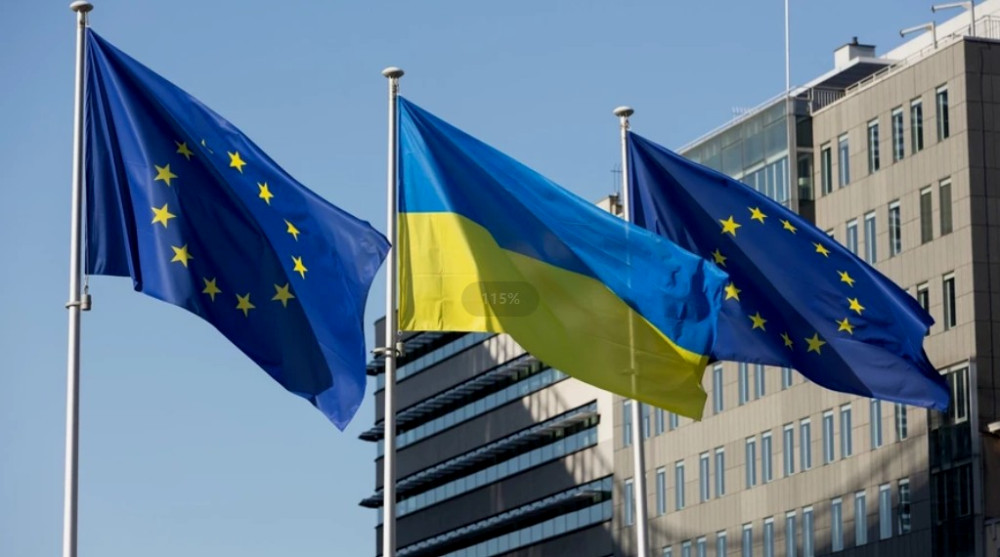
Ukraine has the potential to fulfill nine key technological needs of the European Union, which currently relies on solutions from China and the USA. This is supported by findings from the EU-Ukraine Digital Sector Interlinkages Report, prepared by a consortium of Ukrainian and European IT clusters under the ITBridge project.
To reduce dependency on American and Chinese technologies, the EU is investing billions of euros through the European Chips Act. While most initiatives have long-term goals, Ukraine can already address some of these needs now.
A focus group comprising 33 experts from 31 organizations was formed as part of the research. They identified two categories of critical technologies: Big Data & Analytics, Cloud, Edge & Fog Computing, Cybersecurity, IoT & Embedded Systems, and Semiconductors & Microelectronics, which are essential for EU security. The second category includes areas that pose risks to economic competitiveness: Web Platforms & Applications, AI & ML, AR/VR/XR, 5G & Next-Gen Connectivity, Quantum Technologies, Unmanned Vehicles, Robotics & Automation, and Enterprise Process Automation.
According to the ITBridge study, Ukraine can partner with the EU in nine of these areas — Big Data & Analytics, Cybersecurity, Cloud, Edge & Fog Computing, IoT & Embedded Systems (critical), as well as Unmanned Vehicles, Web Platforms & Applications, AI & ML, Enterprise Process Automation, Robotics & Automation.
The research also highlights what Ukraine can already offer. In 2024, IT service exports amounted to $6.8 billion, making up 37.7% of the total service exports of the country. This indicates that the Ukrainian market is mature and ready for collaboration with European businesses. Additionally, there are 328,000 technical specialists working in Ukraine, with over 20,000 graduates entering the workforce annually, ensuring a steady talent pool for project scaling.
Moreover, the presence of residents in "Diia.City" such as Samsung, SAP, Visa, Nokia, etc., demonstrates a regulatory environment that has been tested by global players. Furthermore, 93% of companies operate in international markets, which reduces the need for training partners to work with foreign clients.
The study also emphasizes the available tools for entering the EU market. Ukrainian businesses have full access to the Single Market Programme, allowing them to participate in European initiatives alongside companies from EU member states. Programs like Horizon Europe and the Digital Europe Programme provide access to billions in EU budgets for funding joint research projects and innovations.
Among other opportunities is the world's largest business support network, the Enterprise Europe Network (EEN), which helps companies find international partners. There are also six European Digital Innovation Hubs (EDIH) operating in Ukraine, providing small and medium-sized businesses with a range of services such as technology testing, training programs, and partner searches.
For clusters, several opportunities exist, including the European Cluster Collaboration Platform (ECCP), which helps find partners among European clusters, and the EU-Ukraine Cluster Partnership Programme, which provides direct funding for collaboration projects between Ukrainians and Europeans.
In conclusion, the study emphasizes that collaboration with Ukrainian businesses should be seen as a partnership rather than outsourcing. It proposes a model for co-development, shared innovations, joint intellectual property, and long-term partnerships.